A focused engagement to consolidate the code you already have, productionize the cab builder, turn the dealer portal into a working system, and keep the project moving with visible weekly progress. I went through the repository before writing a word of this.
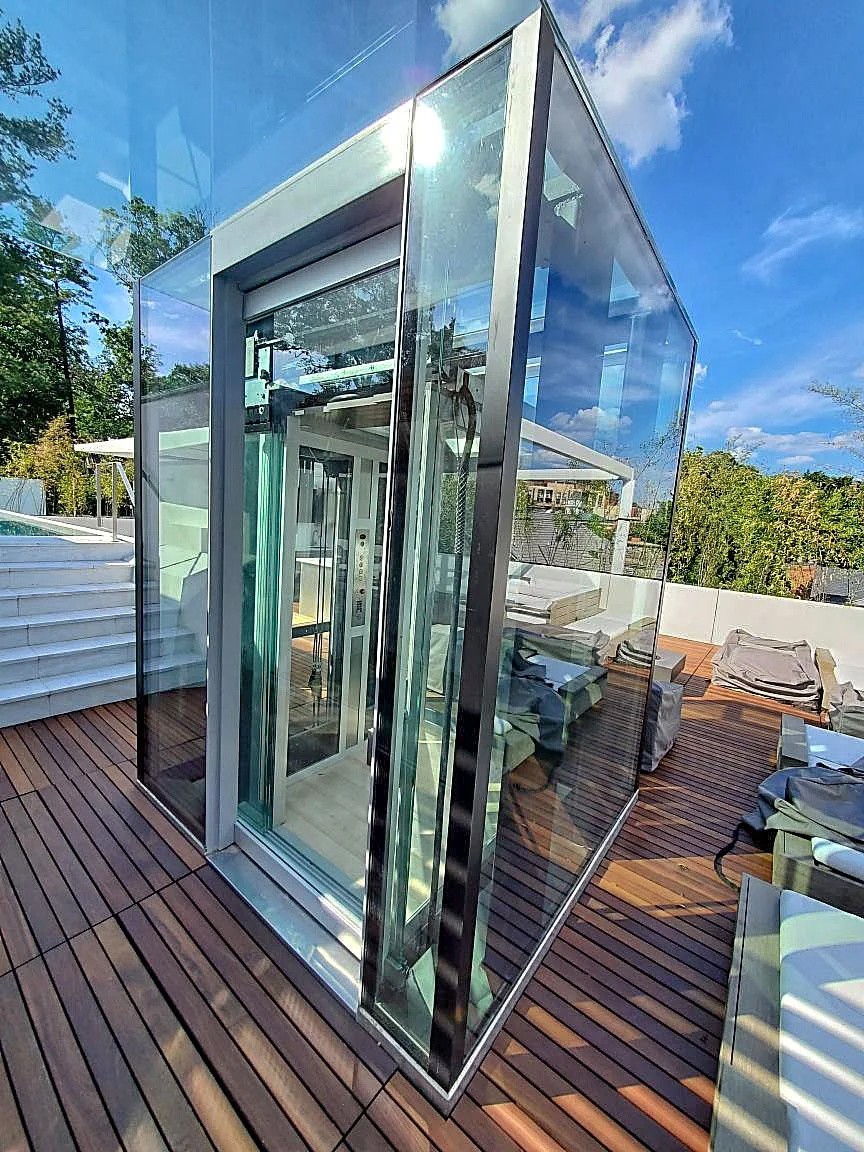
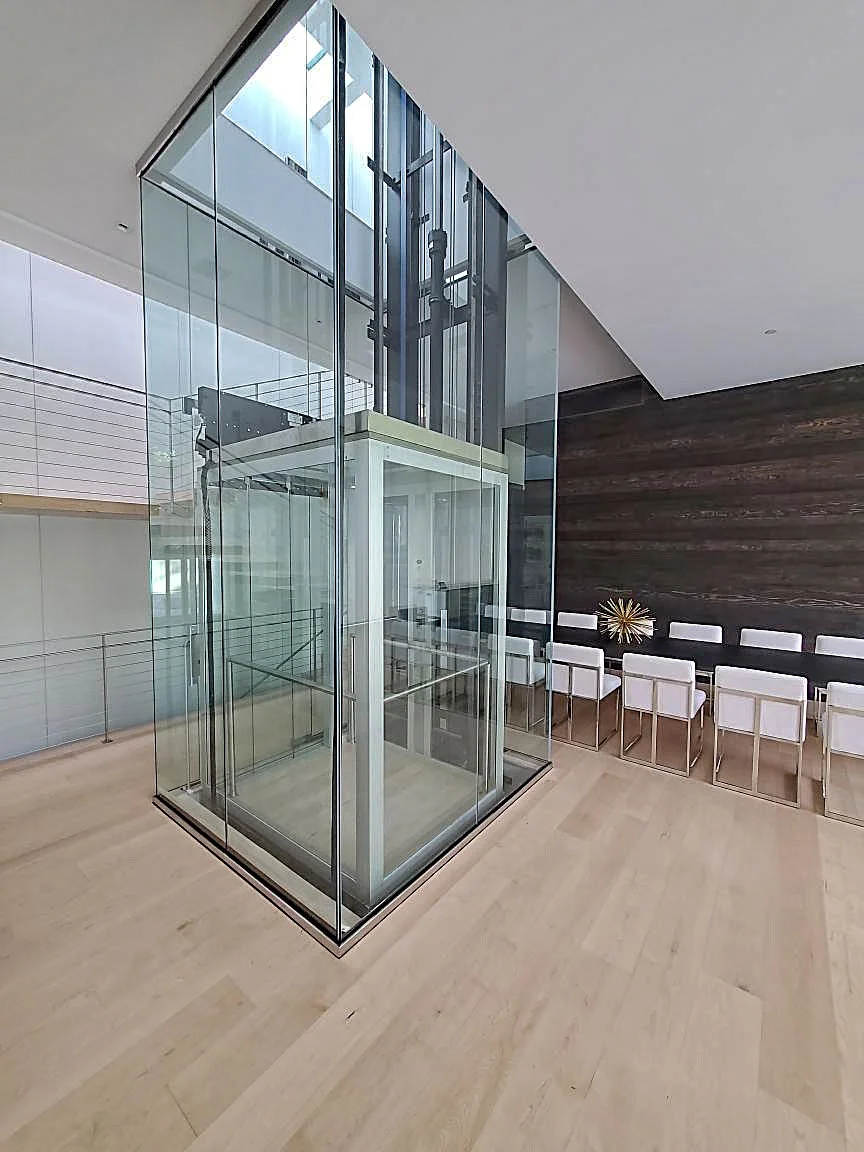
RMEP full-glass cab · the configurator's flagship use case
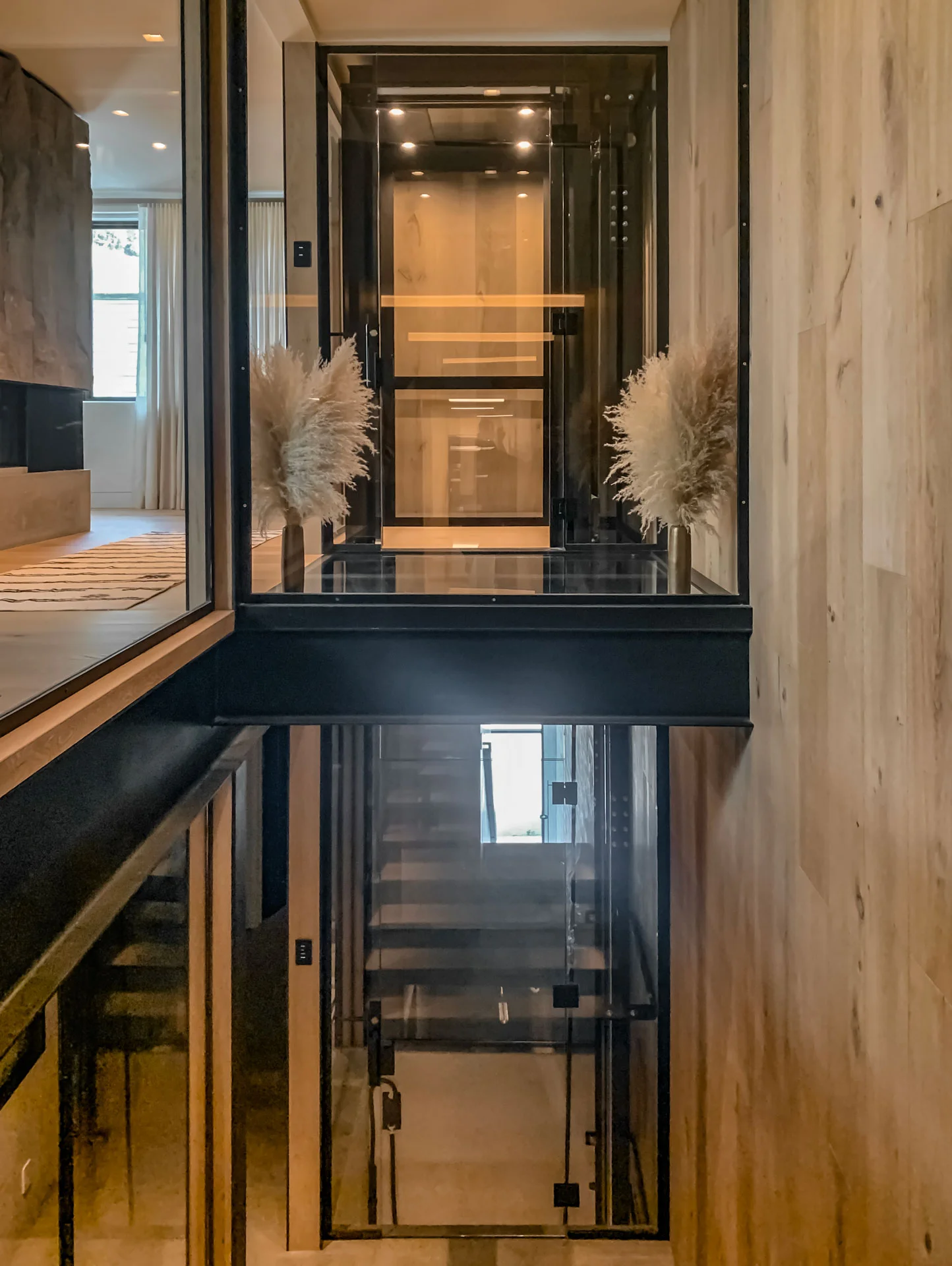
These are real RMEP installs. The next step is making the cab builder and dealer portal feel as clear, usable, and dependable as the product itself.


You gave me access to the RMEP repository, so I treated this like an engineering review, not a generic proposal. There is real, salvageable work here. There is also fragmentation slowing the project down. The next step is to choose one architecture and carry the strongest pieces forward.
It runs on actual WebGL with Three.js and orbit controls. This is not a static mockup. The hard part of a Savaria-class configurator already exists. We refine and productionize it rather than starting over.
The WordPress plugin already has a provider pattern, REST layer, webhook handling, project tables, Stripe, QuickBooks, and the beginning of a JobBOSS provider.
In plain English, that means the system already has the start of a backbone that can turn a confirmed order into a real production, invoicing, and payment flow.
The current JobBOSS layer assumes a REST endpoint. JobBOSS does not expose that by default, so the real path needs to be confirmed against your actual setup.
In plain English, we need to confirm that JobBOSS can actually receive an order automatically, then build the integration from that confirmed path inside the partnership.
Parallel build paths in one repo: static site, React SPA, Odoo direction, standalone backend, and WordPress. Some shipped, some reverted, and the work now needs one chosen path.
Commits across roughly six weeks. Real momentum, but spread across approaches that compete with each other.
Build archives committed into the repository. A sign of fast iteration without one settled production structure.
Production logins so far. The portal screens are built and the flow is in place. The login is still a prototype, so real authentication is the main piece to add.
The issue is not the amount of work already done. It is that the work is spread across too many directions at once. The next move is to choose one architecture, carry the strongest pieces forward, add real authentication, and confirm the JobBOSS path early so it can be built properly inside the roadmap.
This audit is done. It would normally be the billed first phase of an engagement. I have folded it into the first month, so we can skip discovery and start building from day one.
You described wanting a fast-deployment-and-iterate partner: someone who can get a strong first version live and improve it over time instead of polishing forever before launch. That is exactly the right approach for where this project is now.
Choose one architecture and commit to it. Retire the parallel build paths so every hour after this compounds instead of competing.
Keep what is genuinely strong: the WebGL cab builder and the provider-based integration spine. Build forward from those pieces rather than rebuilding from scratch.
Get a clean, usable first version live on one deploy path. Something customers, dealers, and your internal team can actually use.
Refine in weekly stages against an agreed roadmap, with steady, visible progress.
Focused on the two development areas you named, the cab builder and dealer portal, plus the foundation work that makes both reliable and the integration path that connects the system back to operations.
This is structured as a rolling partnership because the fastest way forward is to get a strong version live, then build on it together. The audit is already complete, so month one starts with consolidation, feasibility, and a usable first version, not another long discovery phase.
This sits below my standard engagement rate on purpose. I am playing for the long-term relationship, not just this one invoice. RMEP is where I can prove the model. From there, I want to become the build partner Kingdom Way can bring into future portfolio work. We reassess at month three.
The codebase needs consolidation and the JobBOSS path needs confirmation against your actual setup. A retainer means you buy steady, visible progress against an agreed roadmap rather than paying for a fixed estimate built on unknowns.
I completed the repository audit and architecture review before sending this. It would normally be the billed first phase. It is included, so we start building on day one instead of spending week one discovering what I already found.
You are reading findings from your actual repository, not a generic proposal. That is how I run every engagement.
Get a strong version live, then improve it in clear weekly stages. That matches the fast-deploy-and-iterate cadence you asked for.
You work directly with me. No account managers, no handoffs, no telephone game between you and the build.
RMEP is the starting point. If I prove useful here, the bigger opportunity is to become the technical partner Kingdom Way can trust across future builds, integrations, and portfolio-company systems.
If this direction is right, the next step is a short call to confirm access, architecture direction, and the first-month roadmap. I can start with feasibility, consolidation, and the live-first work immediately.
My goal is to prove the partnership on RMEP, then become the person you bring into the next build when another Kingdom Way company needs software shipped properly.